


Alaska bench
Gallatin valley Land Trust’s Alaska Bench project permanently protects 2,400 acres
The Gallatin Valley Land Trust, based in Bozeman, Montana, has been working in the northern reaches of the Greater Yellowstone Ecosystem for three decades now. By establishing long-term trusted relationships within the local agricultural community, the land trust has built a reliable track record of securing perpetual conservation easements in one of the most rapidly growing areas in the country.
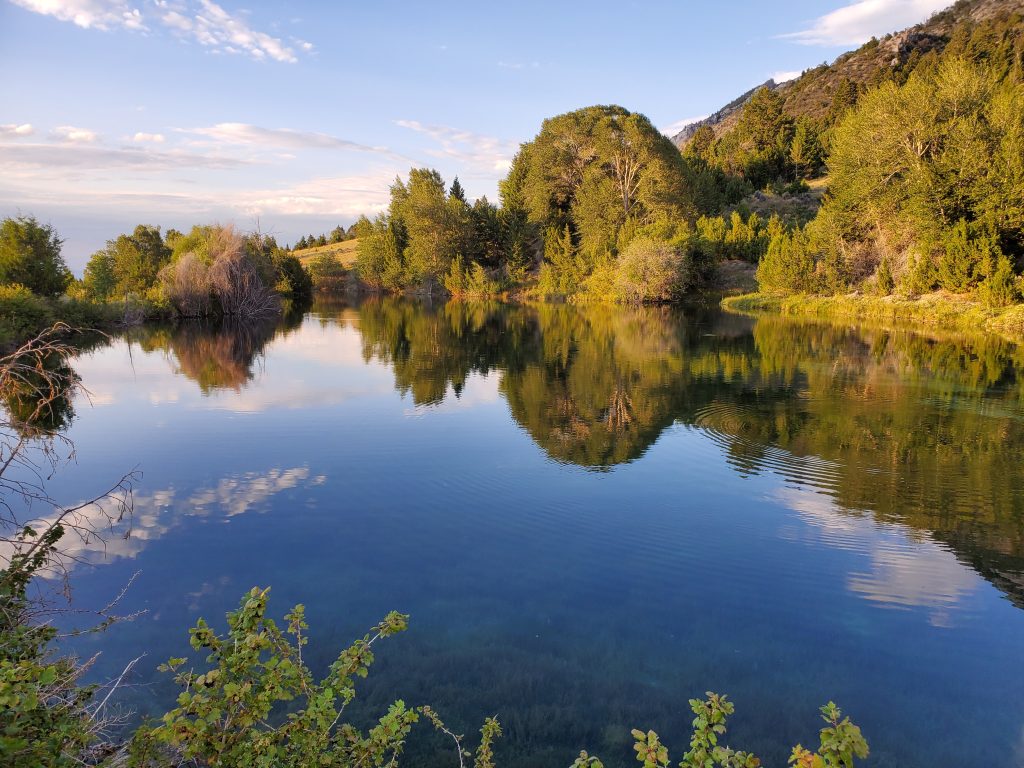
With support from the Keep It Connected program, the land trust protected nearly 2,400 acres in late 2023 just outside of Twin Bridges, Montana. Here, the western flanks and benches of the Tobacco Root Mountains represent one of the most undeveloped and visible Montana landscapes. These open slopes are home to many wildlife species including mule deer, elk, pronghorn antelope, and mountain lion, and are critical for north-south grizzly bear dispersal and exploration.
Keep It Connected is grounded in the best available science, ensuring accurate, quality delivery of the best conservation projects to our donors based on their respective priorities. For the Alaska Bench project, we focused on grizzly bears, working with data from lead USGS research author and assistant unit leader for the University of Montana’s Wildlife Research Unit, Sarah Sells, PhD. Sells’ unique, novel grizzly bear modeling effort utilizes actual female and male GPS collar data to analyze the bears’ choice of terrain, vegetation, and topography from thousands of data points. These data subsequently informed a predictive movement model for the entire Greater Yellowstone Ecosystem region, predicting where they would move between established grizzly bear recovery areas. Notably, most of the areas in between are primarily privately owned agricultural lands.
Sells’ model demonstrated possible grizzly bear movement directly through the property, reinforcing its importance to regional population connectivity. As bears disperse from one recovery area to another, they must be able to safely navigate the presence of humans, and that requires open space. This open agricultural space also provides for gene flow between national parks and other large protected areas, keeping bear populations healthy in the future.
“This program plays such an important role in translating hard science into conservation action. Working with biologists like Sarah Sells to use data to make permanent contributions to private land and connectivity conservation is a win-win,” said Amy Katz, conservation and GIS manager for Heart of the Rockies Initiative.
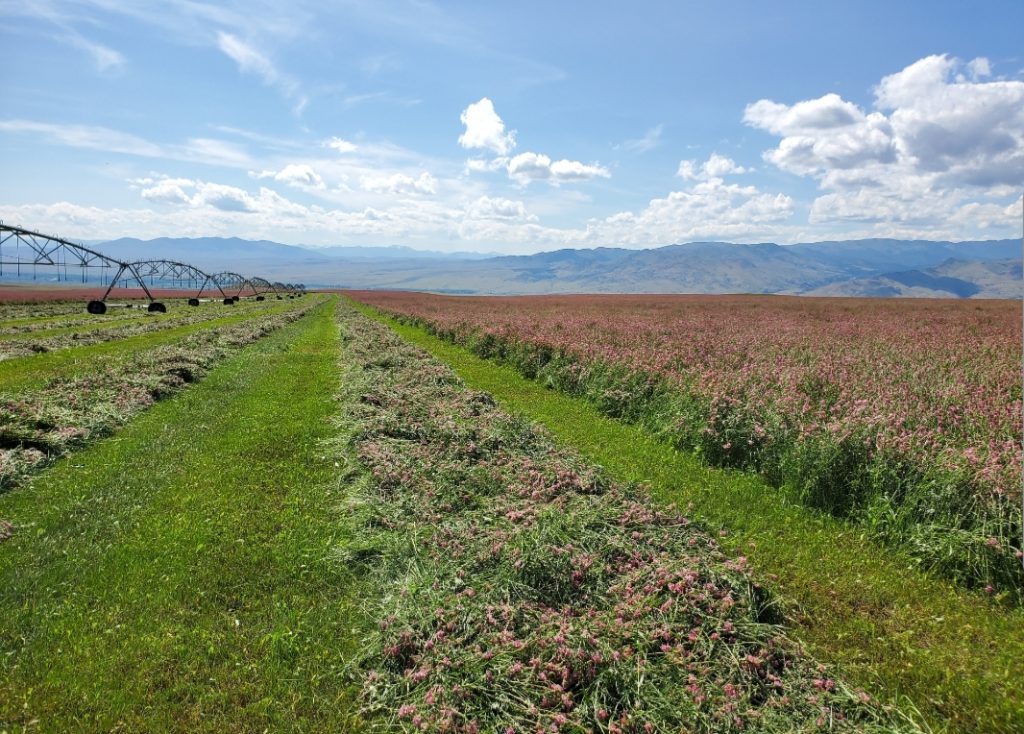
Keep It Connected was able to fund the remaining gap on the project and it closed at the end of 2023, permanently protecting local agriculture and a vital lower elevation valley bottom wildlife movement area between mountain ranges.
“In addition to the productive agricultural land and native rangeland, this area sees a tremendous diversity of wildlife,” explained Cole Herdman, Gallatin Valley Land Trust’s conservation program manager. “Alaska Bench is a remarkable property and the family works hard to steward it. We are grateful for their commitment to conservation and to the funding partners that made this project happen.”
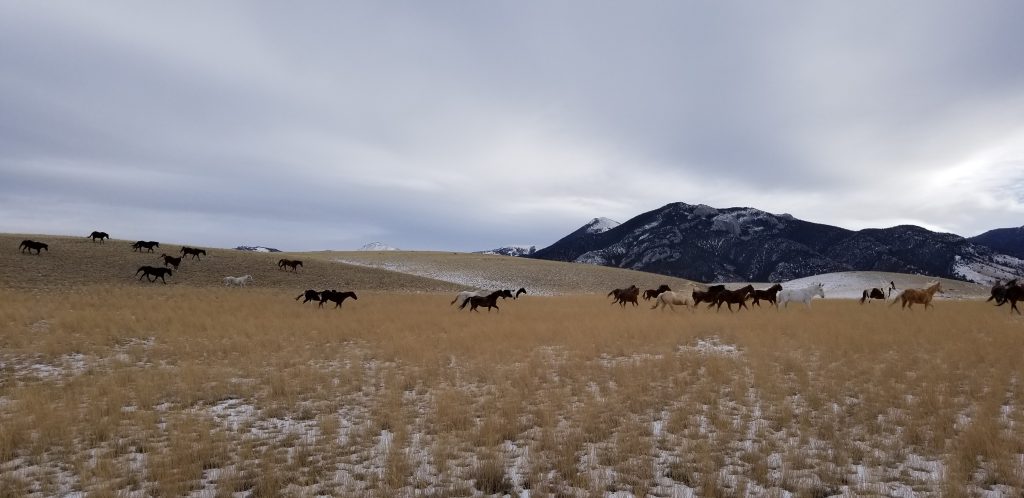
“The conservation wins that this project presented were undeniable and the landowners were very committed to the conservation easement. The Keep It Connected program provided the critical last piece to a complicated funding package that was necessary to make the project happen. The landowners are running an innovative agricultural operation, thoughtfully stewarding the wildlife habitat of the property, and managing public access. With a generous landowner donation, partnerships from the Natural Resource Conservation Service, The Keep It Connected Program, and other generous donors, 2,375-acres of productive agricultural land and critical wildlife habitat is protected in perpetuity.” – Cole Herdman, Northern Yellowstone Open Lands Program Manager, Gallatin Valley Land Trust